is key to a
long lasting
repair
Successful concrete repairs and protective coatings begin with thorough preparation. Without careful planning and correct surface treatment, even the highest-quality repair materials will fail prematurely. This principle is embedded in BS EN 1504, which requires that concrete substrates and reinforcement are prepared to suit both the structural condition and the intended repair system.
Preparation ensures defects are fully identified, deterioration is properly addressed, and repair materials can bond effectively with the parent concrete. Whether applying coatings, fairing layers, or structural repair mortars, correct preparation is essential to achieving durable, compliant, and long-lasting repairs. At CRL, we view preparation not as a preliminary task, but as the foundation of every successful repair strategy.
Preparation
using
Proven Methods
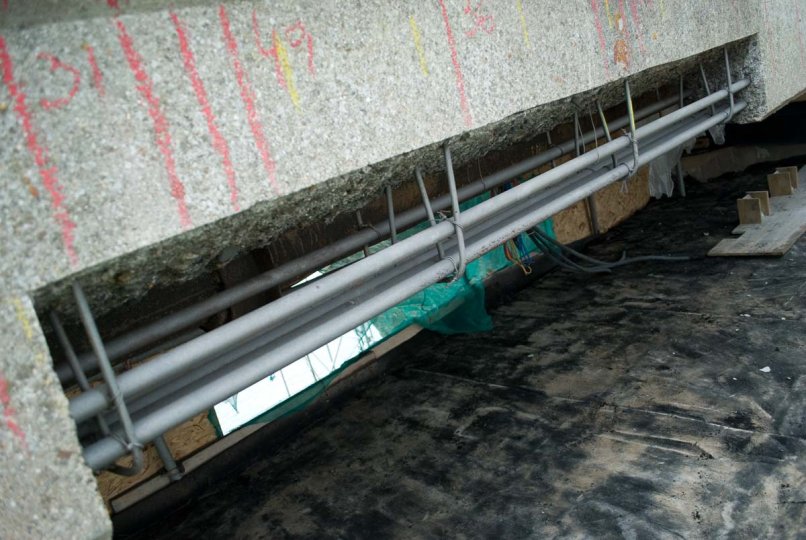
Concrete repair preparation comprises two equally critical elements: preparation of the concrete substrate and preparation of the reinforcement. All projects require a structured process that typically includes surface cleaning, formation of perpendicular patch edges, reinforcement cleaning, and controlled removal of defective concrete behind the steel.
Concrete surfaces are usually cleaned using high-pressure water jetting at 2,000 to 3,000 psi to remove contaminants and achieve the required surface profile. Perpendicular edges are formed by saw cutting or precision hydro demolition to prevent feathered repairs. Reinforcement is commonly cleaned by grit blasting, often to SA2½ where required, to ensure good bonding and corrosion protection. Defective concrete is removed using hydro demolition or mechanical methods, depending on site constraints and patch size.
Perform Better
CRL selects preparation techniques that balance performance, safety, and environmental responsibility. Hydro demolition offers a low-vibration, low-dust solution that avoids damage to adjacent concrete, cleans reinforcement effectively, and provides an excellent bond profile. It also significantly reduces hand-arm vibration risks, although wastewater management is carefully controlled.
Mechanical breaking out remains appropriate for smaller or localised repairs, with modern low-vibration equipment helping to manage HAV exposure when properly planned. With over 65 years of concrete repair experience, CRL is fully equipped to assess risks associated with noise, silica dust, and vibration before work begins. Our involvement in industry research and working groups ensures our methods remain informed, responsible, and compliant, delivering durable repairs with reduced risk to operatives and asset owners alike.
Download the All-Party Parliamentary Group Report on Silica Dust
Related Projects



What our clients say
"CRL's team worked on the Hardham HazRev. The team is one of the best I have ever had on site. They managed to complete the job four days earlier than scheduled.
There were no problems on the site and the team adhered to Southern Water and Trant regulations. I am more than happy to see them back for the next phase."
George Popa | Site Manager
Trant Engineering
"The team is one of the best I have ever had on site"