Client
Shepway District Council
Value
£3.1M
Sectors & Services
Marine Structures Concrete Repair Condition Surveys Coatings Corrosion Control Membranes Cleaning & Preparation ECI (Early Contractor Involvement) Projects
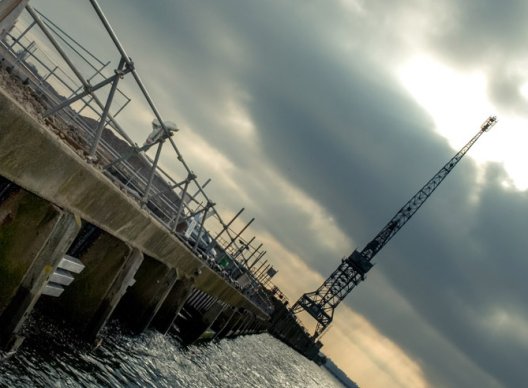
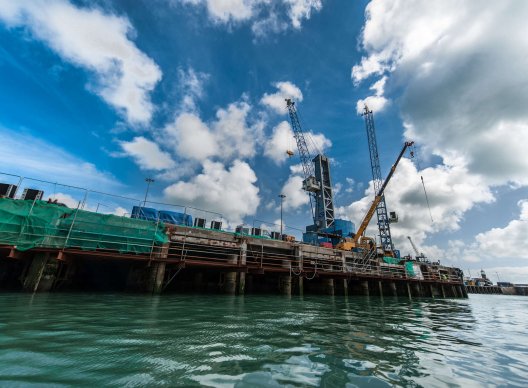
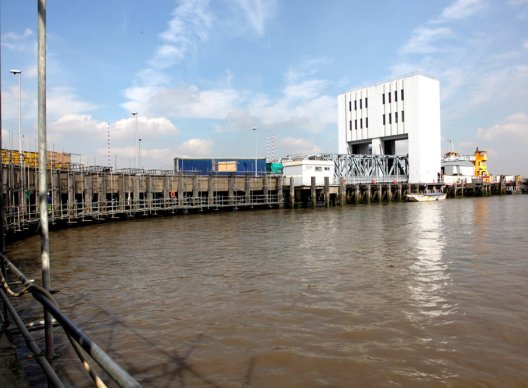
The Coronation Parade frontage lies immediately east of Folkestone Harbour and forms a 340 m-long reinforced concrete promenade constructed between 1938 and 1941. Comprising 84 concrete arches supporting a roadway, the structure provides critical coastal protection to the cliffs behind and serves as a maintenance access route for the National Grid Transco cross-channel interconnector facility.
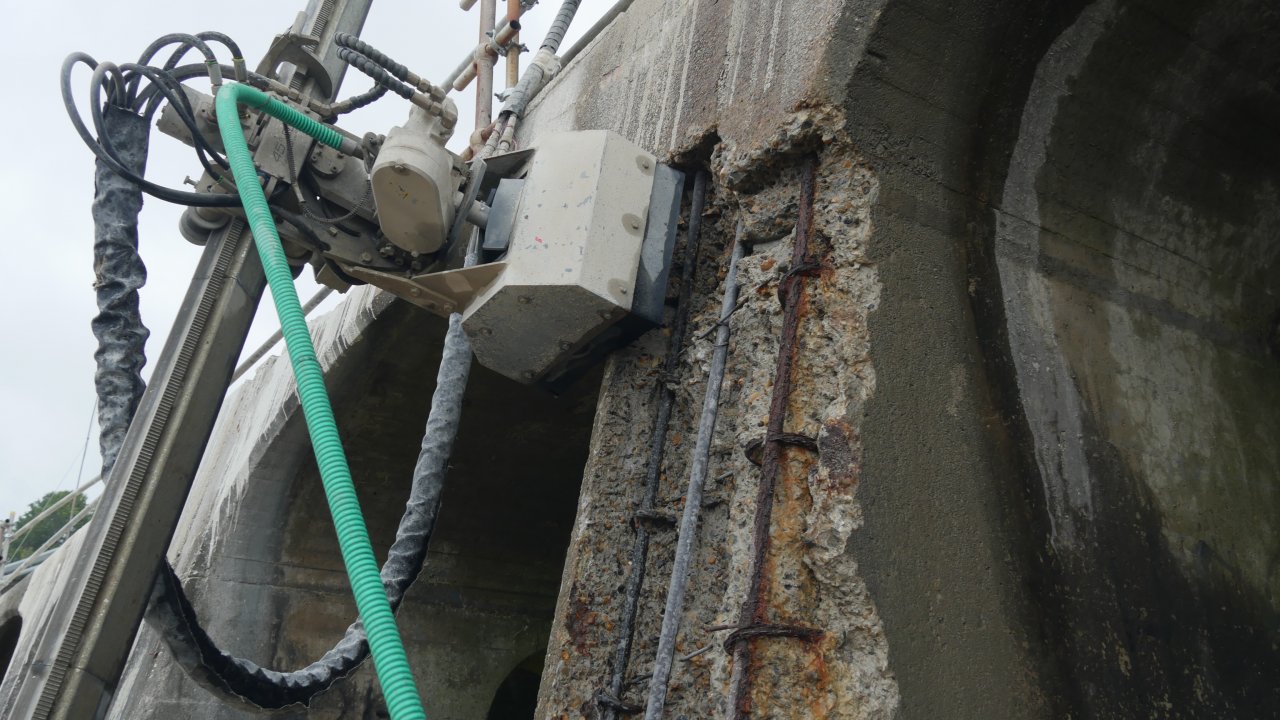
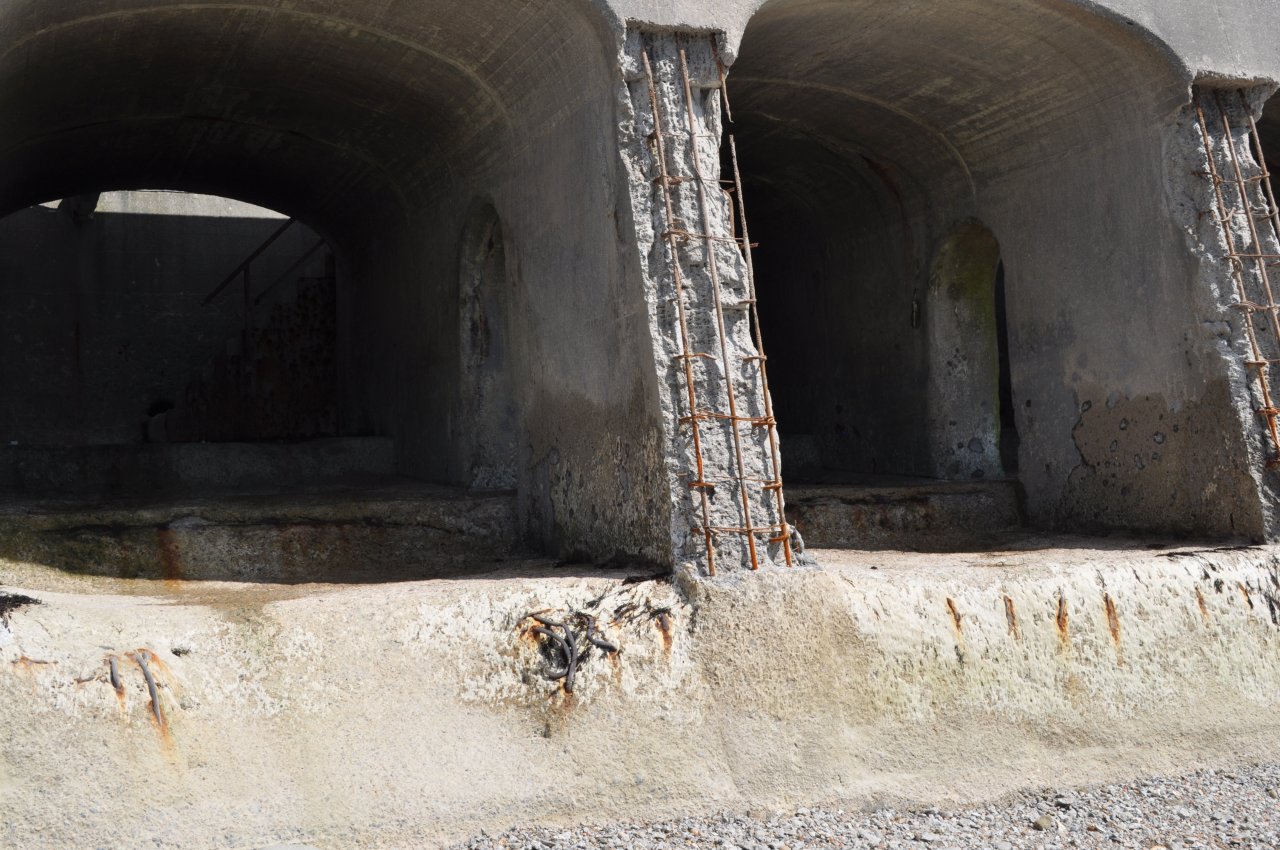
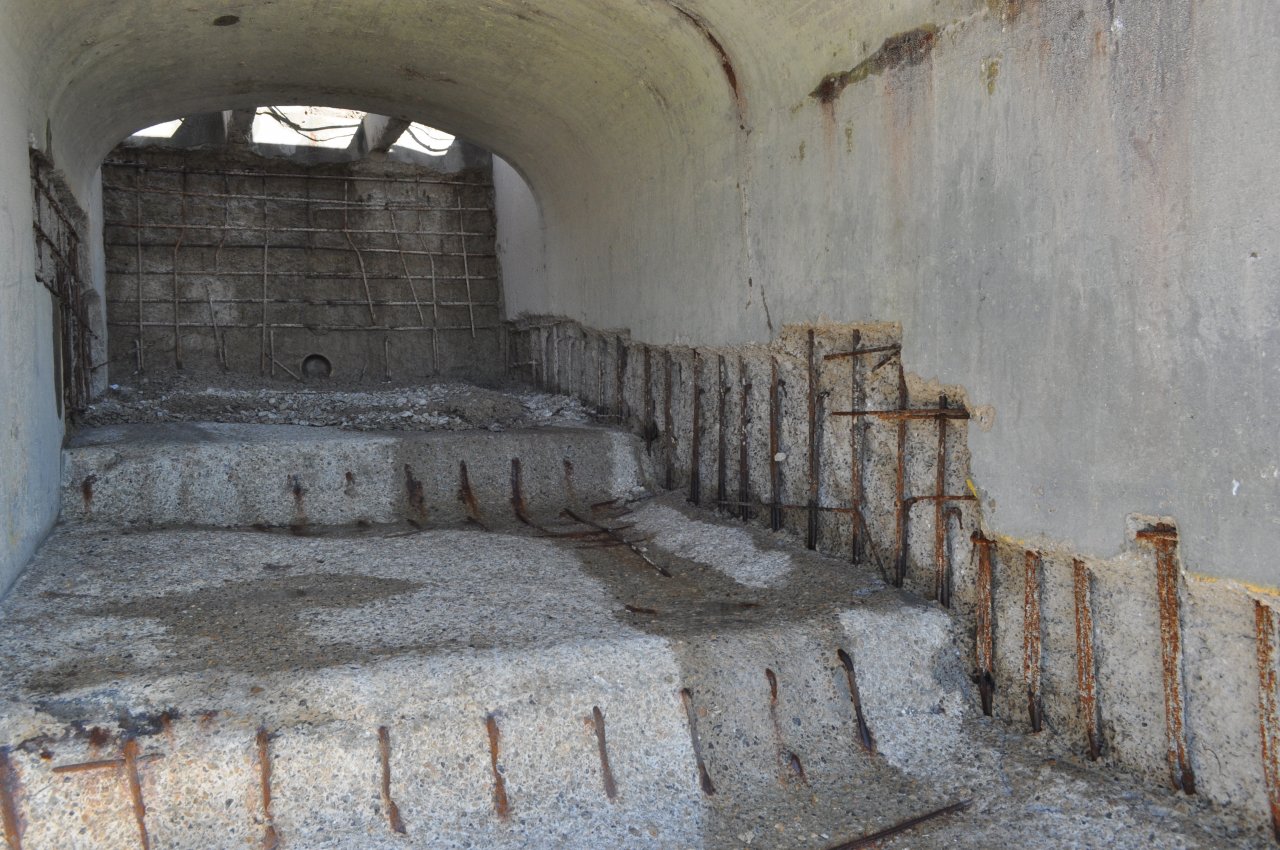
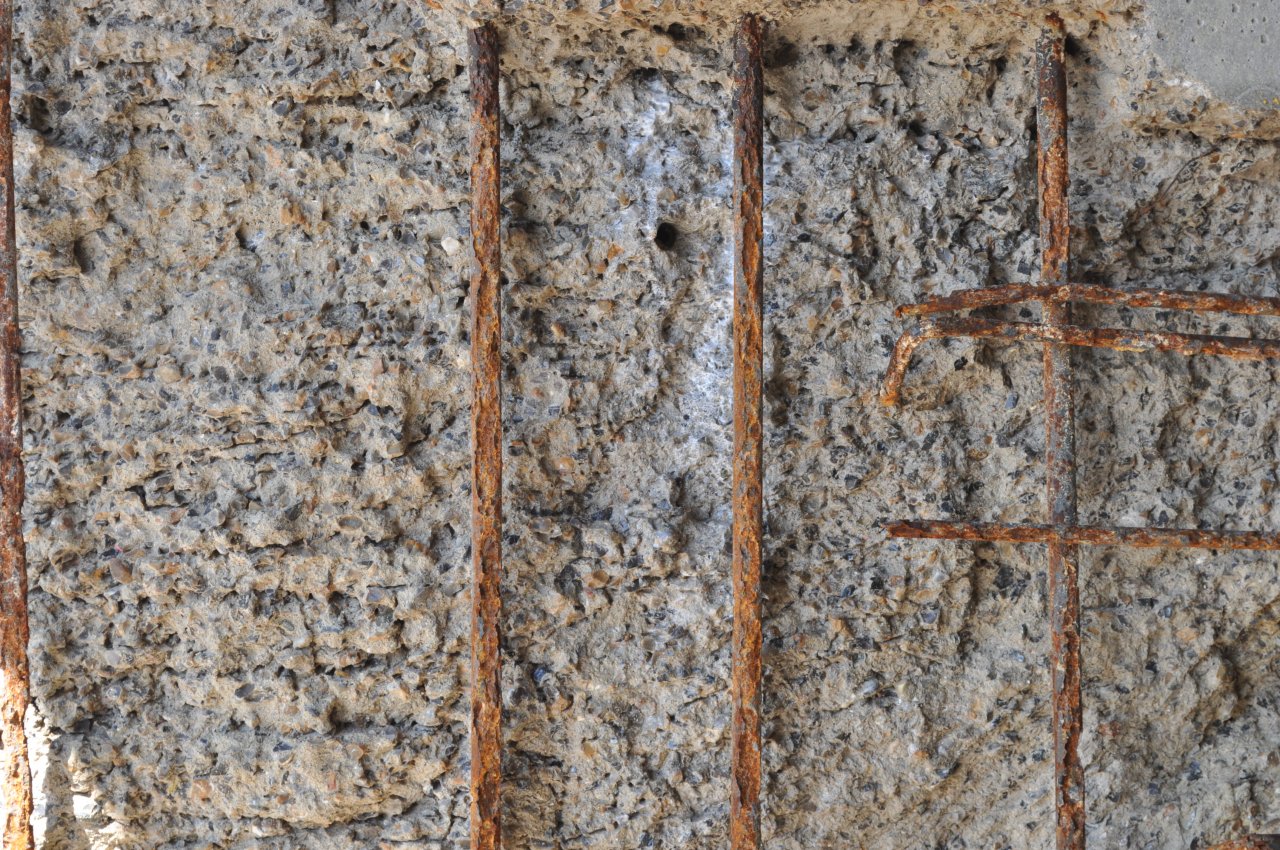
Decades of exposure to a harsh marine environment resulted in extensive chloride-induced corrosion, cracking, and concrete spalling, presenting significant structural and public safety risks. Severe deterioration of the arches, soffits, and deck necessitated urgent structural repairs to restore integrity, extend service life, and protect this strategically important asset as part of a wider asset management strategy.
Services Undertaken
-
Early Contractor Involvement and methodology development
-
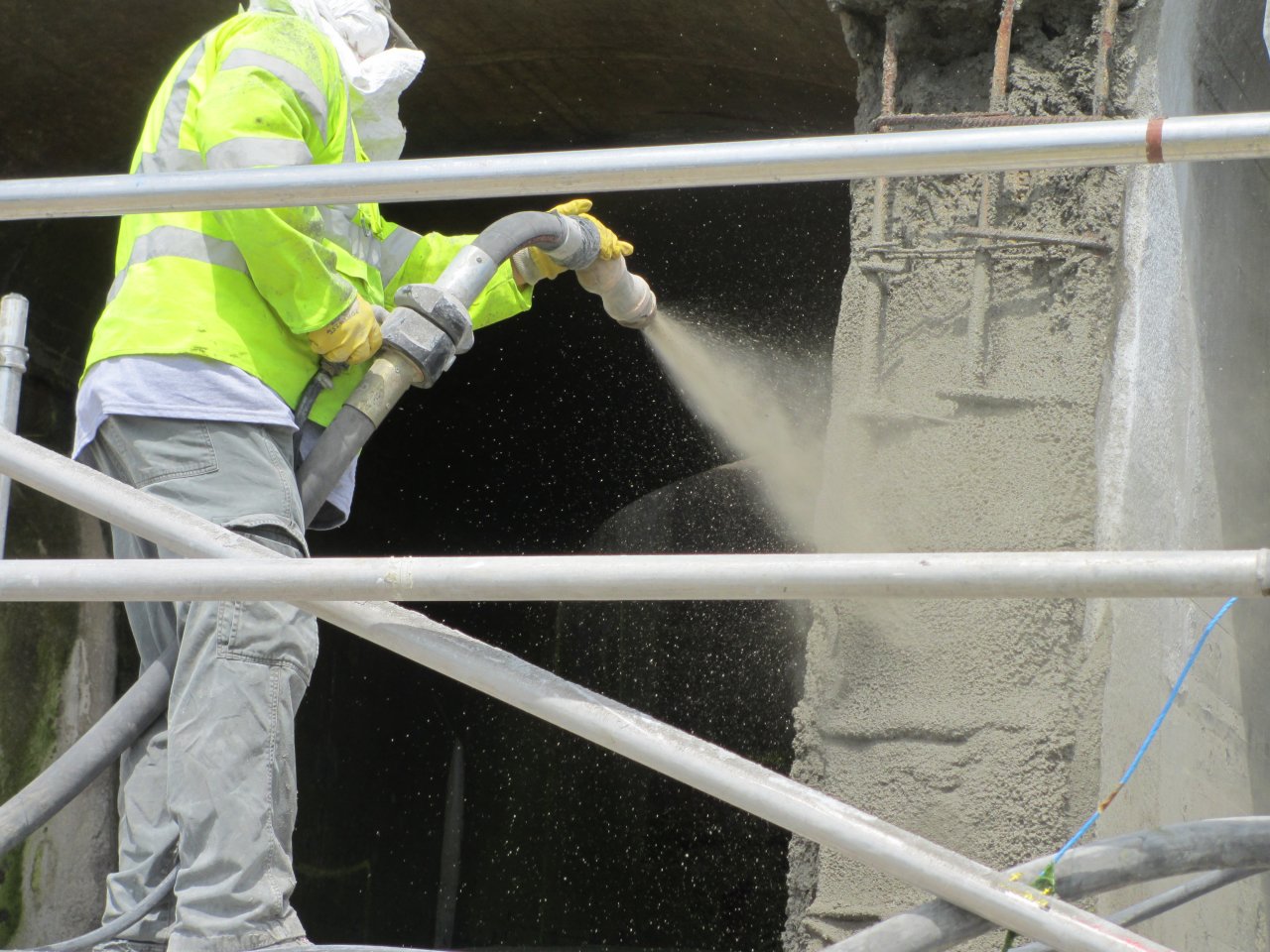
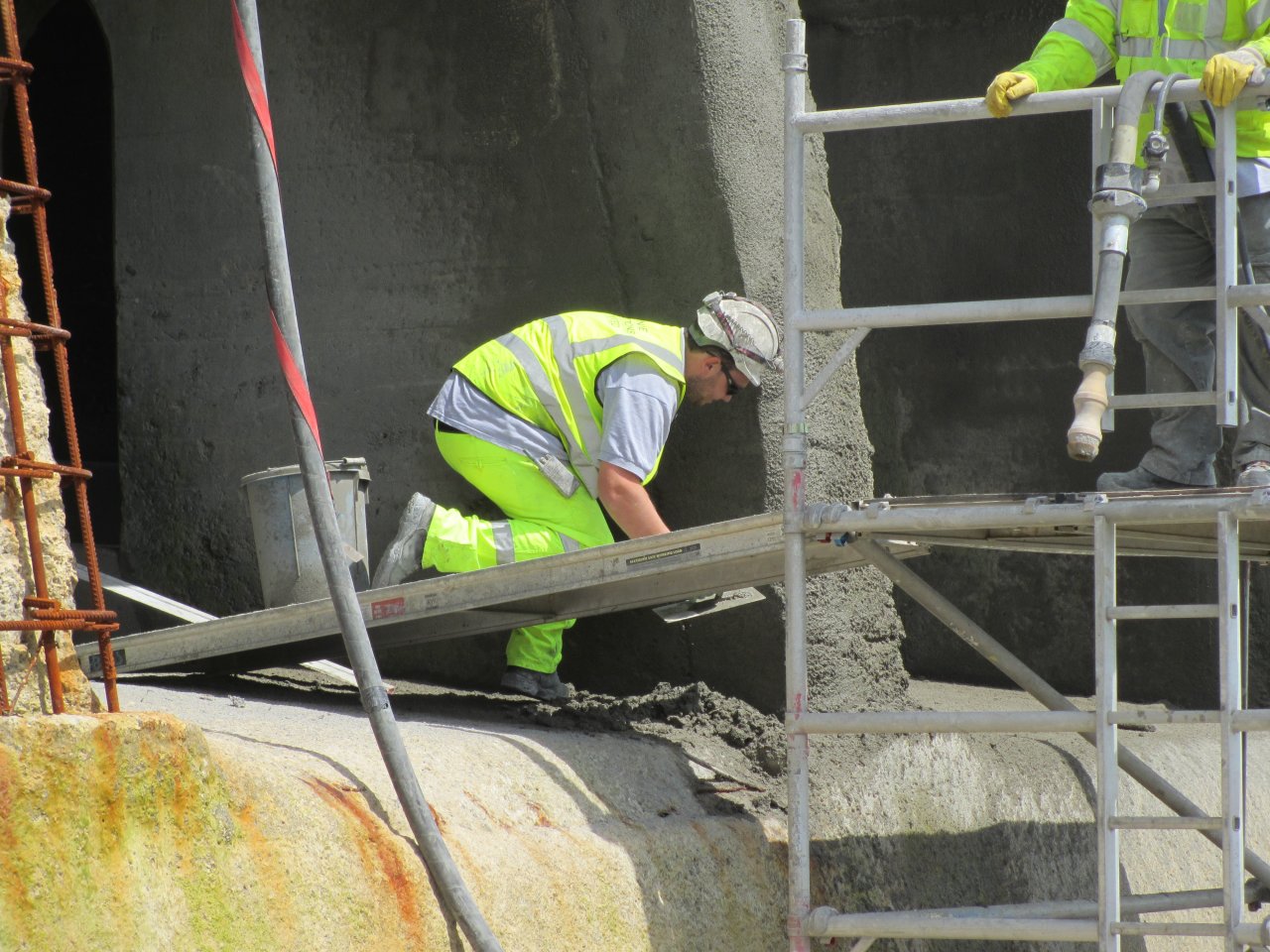
Large-scale structural concrete repairs using sprayed concrete (approximately 350 m³)
-
Installation of a fully designed Impressed Current Cathodic Protection system
-
Renewal of the existing handrail
-
Application of a deck coating system to the roadway
-
Removal and replacement of sea defence boulders
-
Works in a marine and tidal environment
-
Public interface management throughout the construction programme


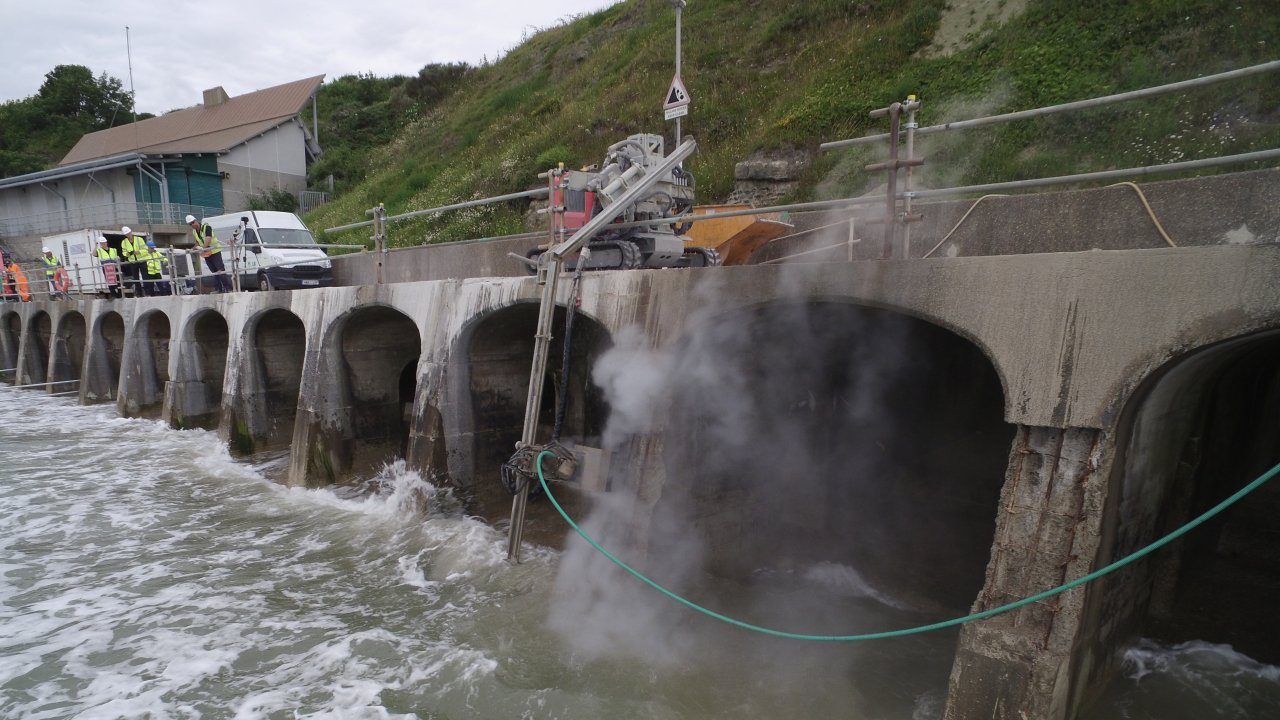
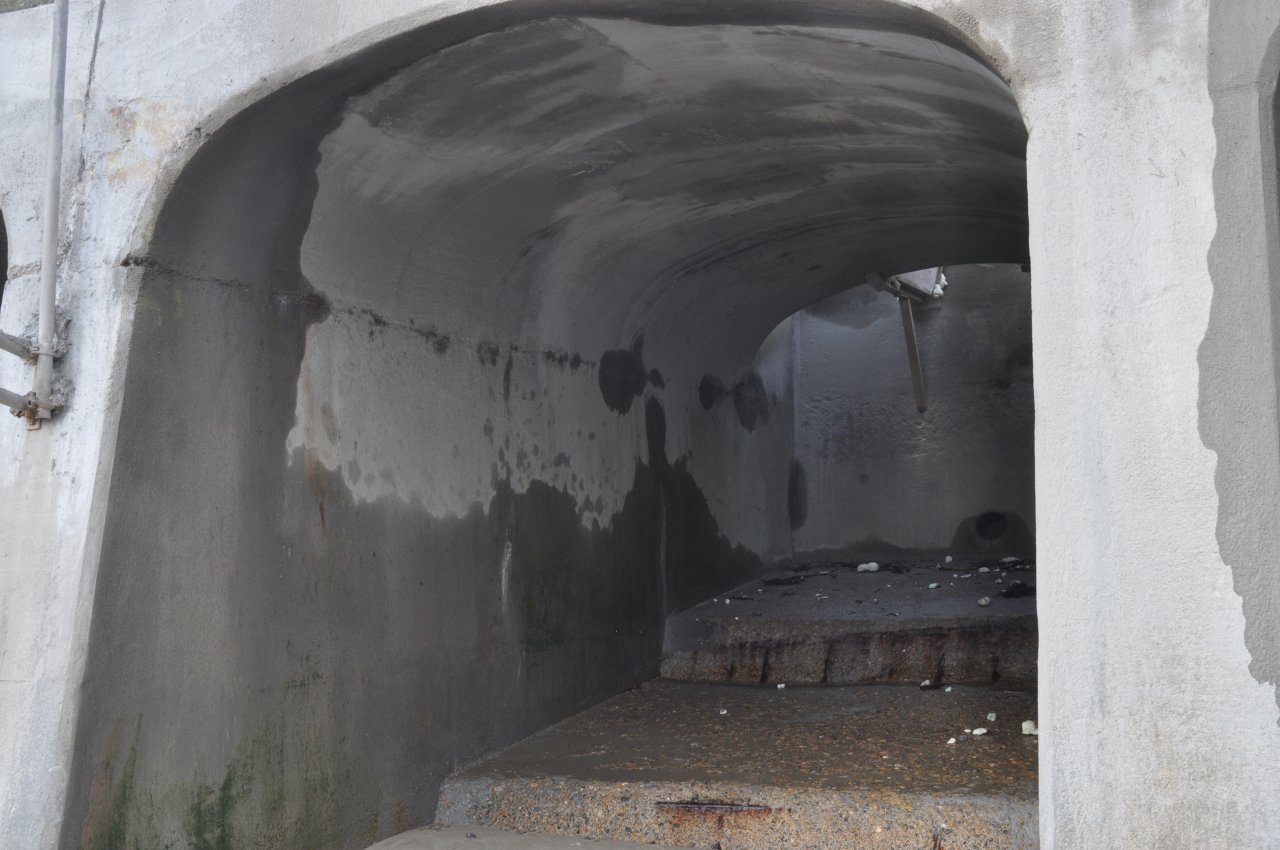
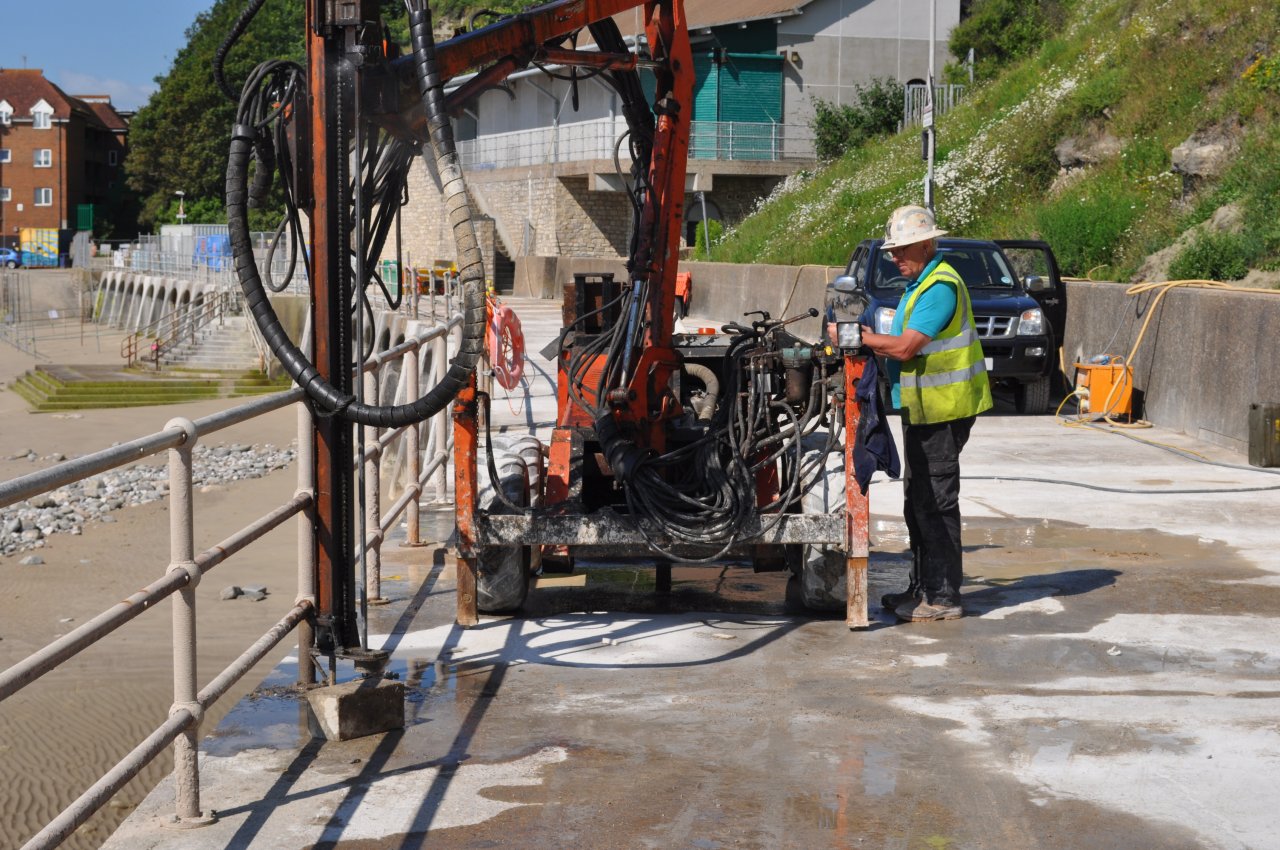
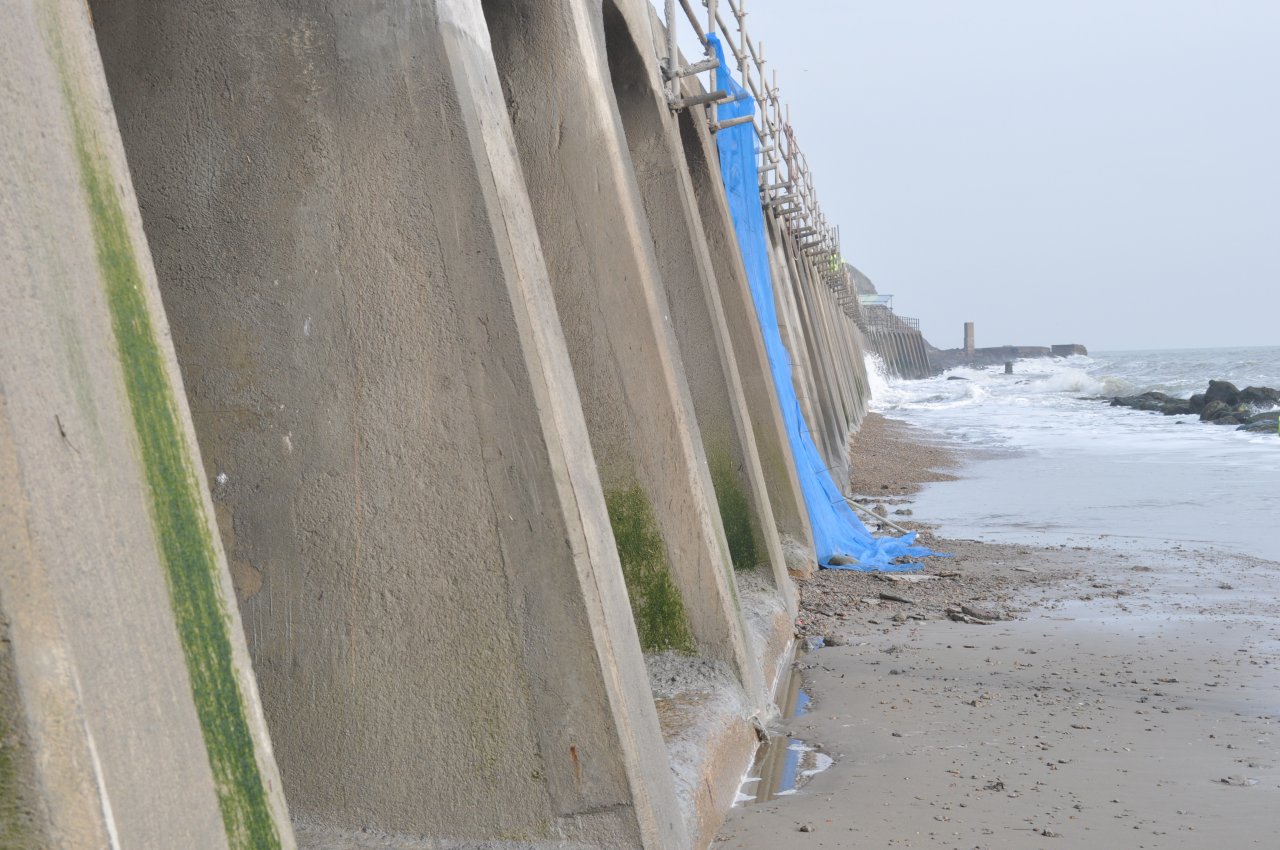
CRL was engaged at an early stage to provide Early Contractor Involvement, advising on repair methodology, preliminary cathodic protection design, and budget development. Following detailed site inspections and collaboration with the Council engineers, an alternative cathodic protection installation methodology was proposed, enabling installation from the deck rather than within the arches. This approach significantly reduced health and safety risks associated with tidal working, confined spaces, and public interface, while achieving a cost saving of £1.0 million.
The concrete repairs were constrained by short low-tide working windows, requiring a rapid, robust solution capable of delivering early strength and durability. A sprayed concrete methodology was selected, utilising Webercem spray RS, a polymer-modified, rapid-setting dry-sprayed repair concrete conforming to BS EN 1504-3 Class R4. With an initial set time of approximately 15 minutes and compressive strengths exceeding 45 MPa, the system allowed efficient reinstatement of reinforcement cover and large-scale structural repairs, totalling approximately 350 m³. The dry spray process provided excellent adhesion, reduced rebound, and consistent application across complex soffit geometries.
In parallel, a fully designed Impressed Current Cathodic Protection system was installed to arrest ongoing corrosion of the embedded reinforcement. Additional works included renewal of the existing handrail, application of a protective deck coating to the roadway, and removal and replacement of sea defence boulders to reinstate coastal protection. Delivered over a 56-week programme through challenging winter conditions, the project required careful coordination of tidal cycles, marine access, and public safety measures, exemplifying best practice in specialist concrete repairs and structural repairs UK.

"For a concrete structure built at the beginning of the Second World War it has stood up to the harsh environment extremely well. This just goes to prove that concrete can withstand the test of time and is why concrete is still the most widely used construction material in the world today."
Kevin Hodgson | Senior Contracts Manager | CRL
Long-term preservation was achieved through a holistic repair and protection strategy integrating high-performance materials, advanced corrosion control, and durable surface treatments. The Impressed Current Cathodic Protection system provides continuous electrochemical protection to the reinforcement, mitigating chloride-induced corrosion and significantly extending the service life of the structure. Surface preparation and reinstatement using Webercem spray RS ensured dense, low-permeability concrete, improving resistance to marine exposure.
The application of a deck coating system further enhances durability by limiting moisture and chloride ingress, while reinstated sea defence boulders restore the structure’s resilience against wave action and impact loading. Together, these measures deliver a robust, low-maintenance solution, reducing future intervention requirements and supporting long-term asset management objectives. The integrated approach ensures improved durability, enhanced public safety, and sustained performance within a demanding coastal environment.